field report
A Day at the Front Desk: How Tomorrow's Schedule Falls Apart
Follow one front desk from the first voicemail to the last confirmation call and watch where tomorrow's hygiene column loses its patients, hour by hour, in a small independent dental office.
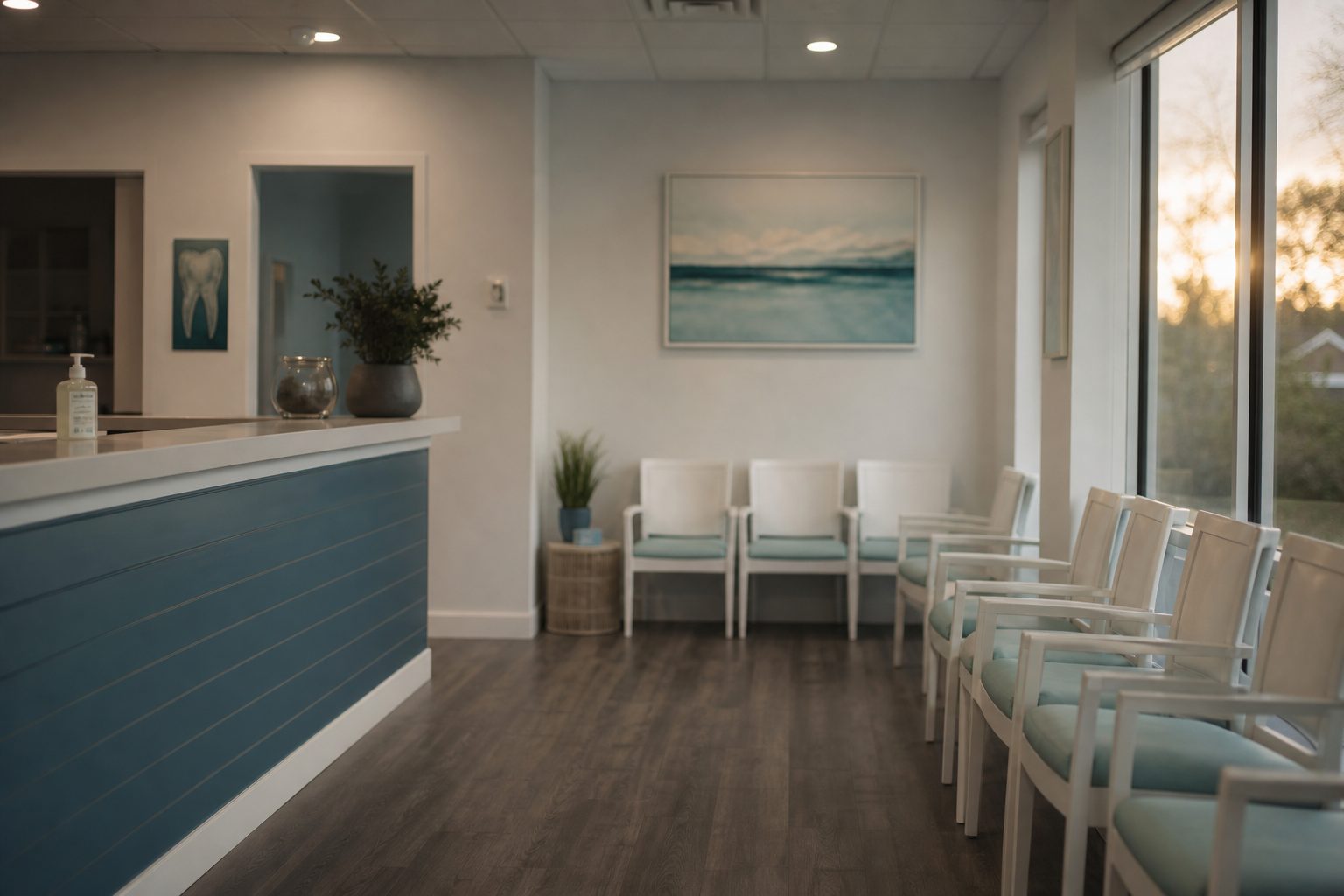
7:40 a.m.: The Voicemail Light and the First Two Cancellations
As the front door clicks open and the first staff member hangs up her jacket, the red voicemail light already signals trouble. The front desk assistant, Emily, logs into the practice management software and lifts the handset. The first message: a patient scheduled for 10:00 a.m. is out sick, apologetic but firm. The second voice is less apologetic. They are "just too busy this week."
Emily pulls up the schedule. Two hygiene appointments gone before she has finished her first coffee. The 10:00 a.m. slot is a double hit, since that patient is overdue for an exam as well. The other was a family of two, so now the 11:30 a.m. slot is empty. She marks the appointments as canceled, her mind already searching for possible replacements.
Early morning cancellations set the tone for the day. The clinical team is still prepping operatories, but the front desk is already running the numbers in her head. How many hygiene visits does the doctor want by Thursday? How many are left on the recall list who might come in on short notice?
Keep reading: How to Run a Same Week Hygiene Gap Fill in a Small Practice
The Morning Huddle and the Column Nobody Owns
At 7:55 a.m., the team meets for the morning huddle. The doctor glances at the hygiene column and frowns. "Who was in the 10:00 slot?" Emily explains about the sick call. The hygienist, Kelly, scans her own notes. "If we lose another one before noon, I'll have a big gap."
The column nobody owns is hygiene. Every office has a version of this. The doctor watches chair utilization, the hygienist watches her own day, and the front desk takes the calls and tries to patch the holes. But nobody feels like the hygiene column is truly "theirs" to fix. Everyone is busy, and the column's problems keep slipping past the huddle.
Today, the doctor is scheduled solid with restorative work. The hygienist's column was nearly full yesterday. Now it is looking fragile. Emily makes a note next to the 10:00 slot: "Try to fill by noon." She tries not to let her stress show. She knows from experience that once a hygiene slot goes unfilled by 10:30 a.m., the odds of filling it with a recall patient drop fast.
9:15: A Recall Patient Moves Into a Slot That Was Already Soft
At 9:10, Emily scans the short-call list. She recognizes a name, Mrs. Patel, overdue by six months and usually quick to respond to reminders. Emily calls. Mrs. Patel is free and can come in at 10:00. Success. Emily books her into the slot that was canceled earlier. She feels a small sense of relief as she clicks "Save."
But as she reviews the 9:30 slot, she sees it is marked "pending confirmation." This patient, a young man, had not responded to messages. Emily calls and gets voicemail. She leaves another message. Ten minutes later, he texts back: "Sorry, can't make it." The 9:30 slot evaporates just as the 10:00 is filled.
"It's like playing Tetris with vanishing blocks," Emily jokes to Kelly as she walks by the front desk. Kelly smiles, but she knows the truth. Every time a slot is filled, another one seems to crumble. The recall list is long, but most patients need at least a day's notice. The true same-day fillers are few and far between, and most are retired or work nearby.
How Recall Fills and Unfills the Hygiene Chair
In small offices, the recall list is a lifeline. But it comes with its own problems. Patients on the list are often overdue because they do not pick up the phone or respond to emails. The quickest way to reach them is often a text message, but not every practice has direct SMS capability. Emily makes a paper note of three more names to try if another slot opens up, but her morning is already chopped up by walk-ins, insurance calls, and the endless hunt for forms.
Keep reading: D1110, D4346, and D4910: Which Hygiene Code Fits Which Patient
Lunch Is the Only Hour Anyone Can Make Outbound Calls
By noon, the doctor is finishing a crown prep. The hygienist is cleaning up after a family of three. Emily closes the window and grabs the office cell phone. Lunch is the only protected hour for outbound calls. The rest of the day, the phone is busy with incoming questions and confirmations.
Emily starts with the overdue recall list. She dials, leaves voicemails, and sends a few texts by hand. She reaches one patient who promises to "try to come in if there's a gap." Another says she switched insurance and is not sure if she can come back. A third is interested, but only if there is a late afternoon slot. Emily explains all the options, then makes a note. "Possible for 3:30 if we get another cancellation."
By 12:45 she has reached six patients and left messages for four more. The success rate is low: most people do not answer. The only reason Emily can make these calls is because the doctor is with a patient, the hygienist is on break, and the office is otherwise quiet. She knows that after 1:00, the front desk will fill up with new arrivals, insurance questions, and walk-in requests for records or prescriptions.
The Recall List as a Manual Process
Maintaining the recall list is one of the most manual tasks in a small dental office. Many offices keep it in their practice management software, but actually reaching out to patients is still a person-by-person task. Some offices have started using group texts or blast emails, but these can annoy patients if overused. Emily tries to keep her messages personal, but there are only so many hours in the day. By 1:00, she has lined up one possible "maybe" for a 3:30 slot, but the rest are still question marks.
2 p.m.: The Doctor Runs Long and Hygiene Absorbs the Delay
At 2:00, the doctor's crown delivery runs fifteen minutes over. The hygiene patient in the next chair finishes early, but the doctor is not ready for the exam. The hygienist waits, then checks on her next patient, who has just arrived. Emily juggles the timing, trying to keep everyone moving. The delay in the doctor's operatory means patients waiting for exams in hygiene start to back up.
By 2:30, the domino effect is in full swing. The next two hygiene appointments are bumped back by ten minutes each. One patient, on a tight schedule, asks if she can come back another day. Emily tries to talk her out of it but loses the battle. The patient leaves, and now the 3:00 slot is empty. The "maybe" from lunchtime does not answer her phone when Emily calls again.
This is how same-day hygiene gaps often appear. A single procedure in the doctor's chair runs long, and the ripple spreads through hygiene. When the office is small, there is no backup hygienist, no second doctor, no overflow room. The schedule is a chain of dependencies. If any link breaks, gaps appear in the hygiene column that are almost impossible to fill with only an hour's notice.
The Limits of Short Notice
In theory, the recall list could fill these holes, but most patients cannot drop everything to come in within an hour. The few who can are the exception. Emily knows which ones live nearby or are retired, but she also knows most people need at least a half day's notice to rearrange their plans. In the end, she leaves the 3:00 slot empty and moves on to confirming the rest of the day's appointments.
See how ChairGap handles this for dental practices
The Last Hour: Confirmations, Cancellations, and Tomorrow's Holes
From 4:00 to 5:00 p.m., Emily returns to her computer to confirm tomorrow's appointments. She calls, texts, and leaves voicemails. Most patients answer. Some confirm. Two cancel with less than twenty-four hours' notice. This is the hardest part of the day for the front desk. Every late cancellation means a scramble to reach someone willing to come in on short notice.
The practice has a policy to charge for late cancellations in some cases, but Emily knows most small offices rarely enforce it. She updates the schedule: two more hygiene gaps for tomorrow morning. She starts the process again: recall list, quick texts, any patients who mentioned flexibility. The hygienist leans over. "Should I come in late tomorrow?" Emily shakes her head. "Let's see if I can fill them."
As the day winds down, the remaining patients trickle out. The doctor checks the numbers. "We lost four hygiene visits today." Emily sighs. She knew by 9:30 that the column would be light. She prints tomorrow's schedule, highlights the empty slots, and leaves notes for herself to try the recall list again in the morning.
The End-of-Day Reality
In small practices, the last hour is a mix of planning and firefighting. The phone is quieter, but the pressure is high. If tomorrow's hygiene column is not filled by closing time, it rarely fills at all. Patients are not waiting by the phone at 8:00 a.m. waiting for last minute openings. By the time the front desk can start calling again, most people have already made other plans.
What the Day Shows About Where the Fix Actually Belongs
Watching a small dental front desk at work reveals why hygiene columns are so vulnerable to last minute cancellations. The process is manual, slow, and constantly interrupted. Even with a recall list, filling gaps is a scramble. Most offices still rely on phone calls, voicemails, and handwritten notes. The window to fill a slot is often less than a few hours. By the time a patient calls back, the slot is gone or the day has moved on.
Every office knows the cost of losing hygiene appointments. They hurt production, reduce recall rates, and can even drive patients to other practices. But the patterns are predictable. Most hygiene gaps appear after 7:30 a.m., during lunch, or in the late afternoon. The only reliable way to fill them is a tool that can surface the overdue recall list and reach patients quickly, ideally by SMS, with offers for openings that same week. The faster you can match a patient to a gap, the more likely it is to fill. Anything slower is just chasing yesterday's schedule.
That is why more dental offices are adopting software that automates the recall and gap-filling process. A tool that can pull up the overdue list, send a single-tap text, and fill same-week hygiene gaps does not change how patients cancel, but it changes how quickly the office can respond. In small practices, that speed can make the difference between an empty chair and a full day.

How to Run a Same Week Hygiene Gap Fill in a Small Practice
A step by step routine for turning tomorrow's two open hygiene slots into seated patients, from pulling the overdue list before the first appointment to confirming the last seat by mid afternoon.
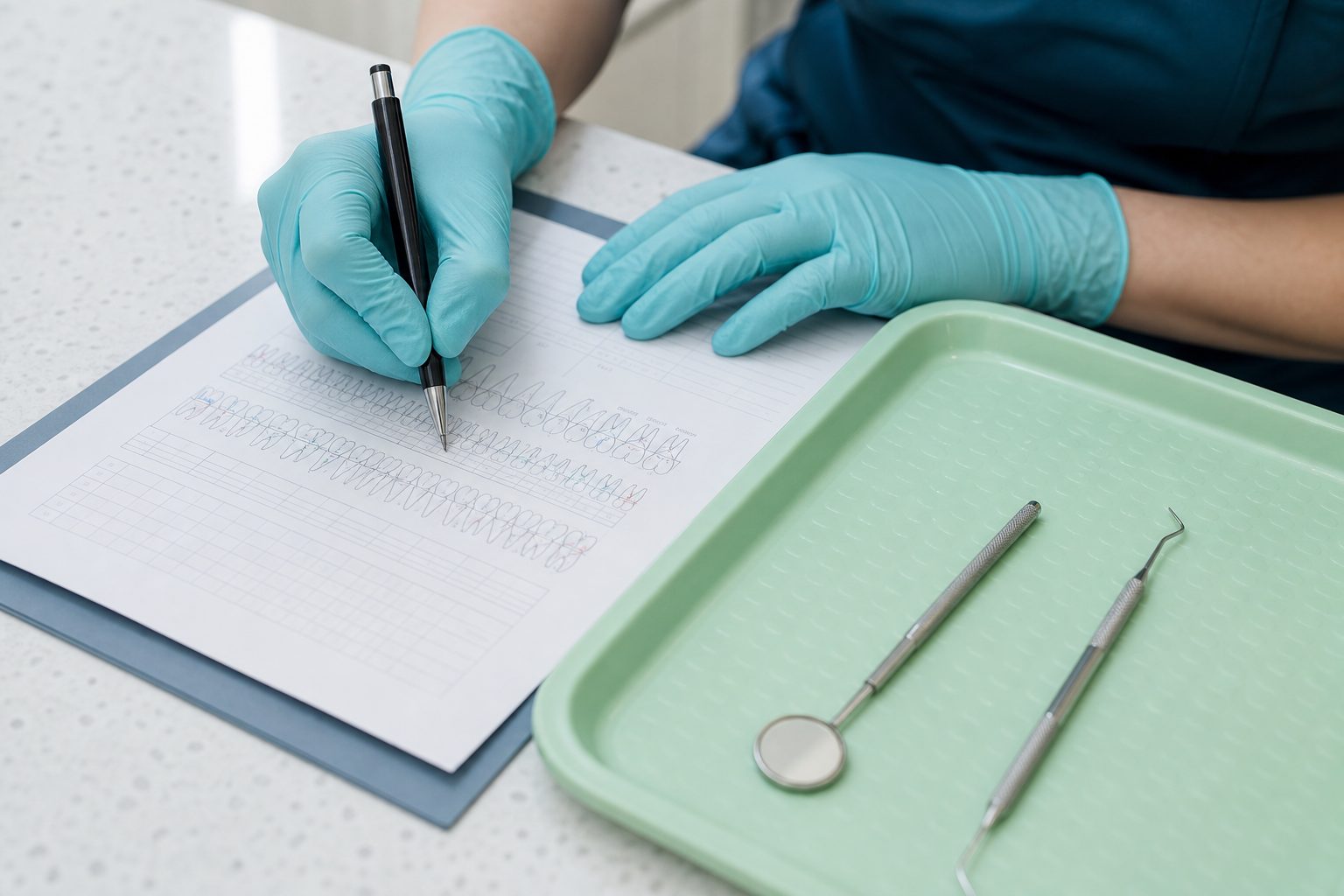
D1110, D4346, and D4910: Which Hygiene Code Fits Which Patient
Three hygiene codes, three different patients. Here is what each one requires in the chart, how plans treat frequency, and how the code you choose sets the recall interval you will schedule.
Seven Recall Mistakes That Keep Overdue Patients Off the Books
Most hygiene recall systems fail in the same seven places: the list, the reset rules, the ask, the channel, the wording, the cleanup, and the person who owns it after five o'clock.