trends and outlook
Where Hygiene Capacity Is Going: Hiring, Pay, and Scope Rules
Open hygiene hours are a staffing problem before they are a marketing problem. A look at assisted hygiene, expanded function assistants, dental therapists, and the pay math a small owner faces.
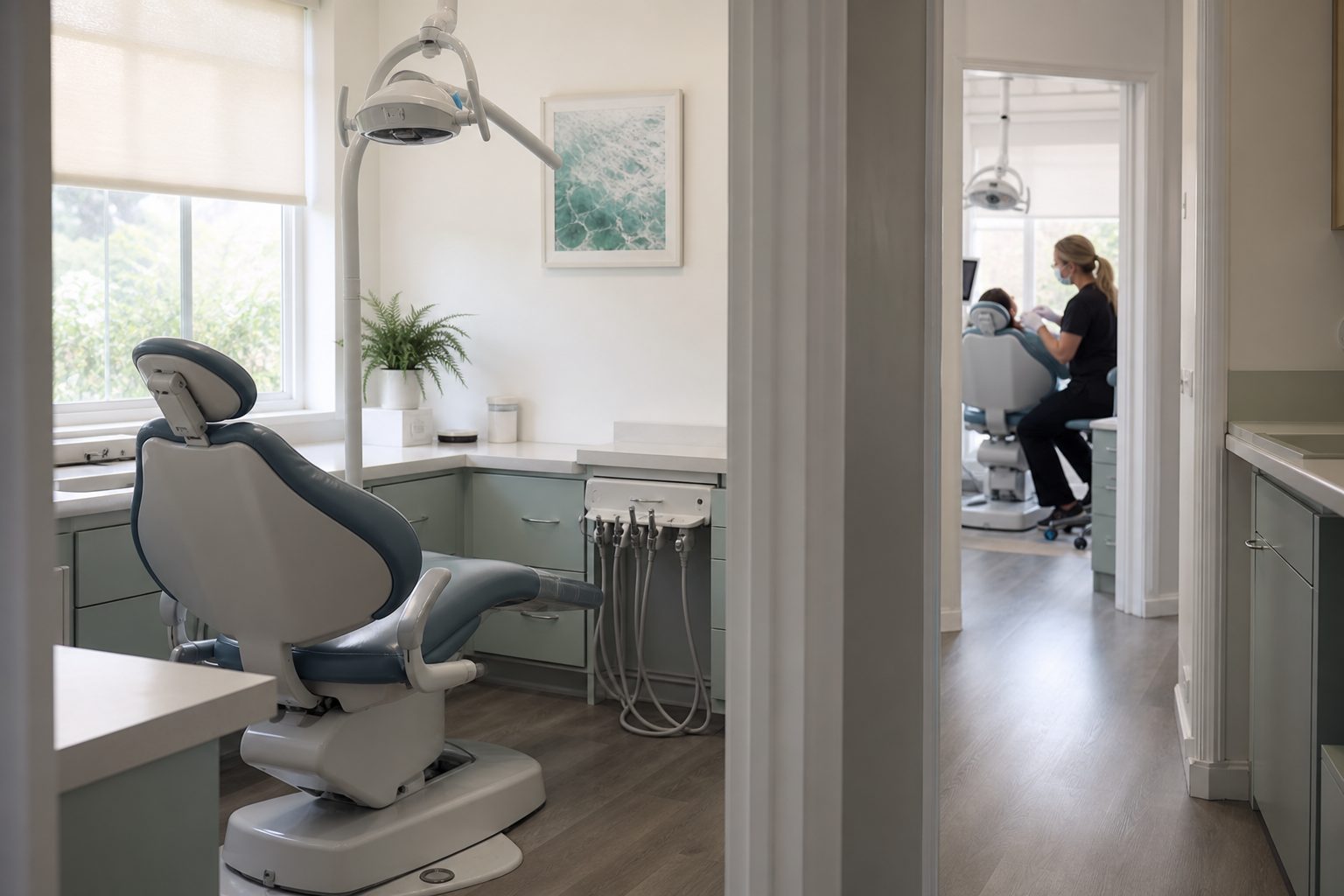
Why Empty Hygiene Hours Start With Staffing, Not Demand
Independent dental practices are facing a different kind of challenge with hygiene schedules. The problem is no longer just about filling the books with patients. For many offices, it starts with finding and keeping enough hygienists to cover the available hours. This shift has forced owners and office managers to look at their calendar gaps through a staffing lens first, before turning to marketing or recall campaigns.
Demand for hygiene appointments is steady or even rising in many communities. Patients are not shying away from preventive care, but practices are running into bottlenecks when they try to staff those appointments. Unfilled hygiene hours often reflect missing or under-scheduled hygienists, not a lack of demand. Backlogs in recall lists, longer waits for routine cleanings, and holes in the weekly schedule all point back to the same source: too few hands to do the work.
In small practices, the impact is immediate. One or two open hygiene shifts can throw off the flow for the entire week. The gap is not just in patient care, but also in production and the steady work that keeps both dentists and assistants busy. As a result, owners are reevaluating how they build their hygiene schedules, staff those hours, and fill gaps when someone calls out or moves on.
Keep reading: Year End Benefits Checklist: Filling Chairs Before January 1
Assisted Hygiene: What It Asks of Rooms, Assistants, and Sequencing
Assisted hygiene is not new, but it is getting more attention as offices try to stretch limited hygiene staffing. The model relies on a dental assistant (or sometimes two) working closely with one hygienist, allowing the hygienist to focus on the clinical procedures while the assistant handles setup, breakdown, x-rays, patient seating, and charting.
Successful assisted hygiene depends on how many rooms the practice can dedicate to hygiene at once. The standard is at least two operatories per hygienist, sometimes three, to allow for overlapping patients. This setup means the hygienist can move from room to room, with the assistant prepping the next patient and turning over the previous space. Not every office with one to three chairs has the extra rooms or the extra staff to make this work smoothly.
The Assistant's Role and Training
The assistant in this model needs to be comfortable with a fast pace and able to anticipate the hygienist's needs. Training is critical. The assistant must be up to speed on infection control, digital charting, and the flow of preventive visits. In some states, expanded duties for assistants make this easier, but even in states with tighter scope rules, a well-trained assistant can keep the hygienist moving efficiently.
Scheduling and Patient Experience
Sequencing is also a challenge. The front desk needs to schedule patients in tight blocks, minimizing downtime between appointments. Assisted hygiene can feel rushed if not managed carefully, and patients may notice if they spend more time with the assistant than with the hygienist. Practices need to communicate clearly about who does what and ensure that quality of care does not slip in the push to fill more hours.
Expanded Function Dental Assistants and State Scope of Practice
The ability to delegate more tasks to dental assistants depends on state regulations. Expanded function dental assistants (EFDAs) are allowed in many states, but the list of procedures they can perform varies. In some places, EFDAs can scale teeth, place sealants, or polish, taking on much of what has traditionally been the hygienist's work. Other states limit EFDAs to restorative or chairside support only.
For a small practice owner, it is essential to understand the local rules and the certification process for EFDAs. Hiring or training an assistant to expanded duties can take months, between coursework, exams, and state board approval. The investment pays off when it means more flexibility in scheduling and less reliance on a hard-to-hire hygienist. However, it is not a quick fix and may not be possible in all regions.
Supervision and Delegation
Delegating more to an EFDA can free up the dentist and hygienist for other procedures, but it also increases the need for oversight. State boards often require direct or indirect supervision for expanded duties, meaning the dentist must be present on site or check the work before the patient leaves. Owners need to balance the potential time savings against the supervision requirements that come with expanded scope.
Recruiting EFDAs
Finding an EFDA can be as challenging as finding a hygienist, especially in rural areas. Some practices have opted to sponsor existing assistants through the certification process, building a pipeline internally. Others focus on hiring hygienists who can function independently, but this can be a tall order as the pool tightens.
Keep reading: What One Empty Hygiene Hour Costs a Two Chair Practice
Dental Therapists and the States That License Them
Dental therapists are an emerging category in the dental workforce. They are licensed providers who can perform many preventive and some restorative procedures, depending on state law. Dental therapists typically complete a two to three year training program and work under the supervision of a dentist.
As of now, only a handful of states license dental therapists. The list includes Minnesota, Maine, Vermont, and a few others, with some states considering legislation or pilot programs. Dental therapists are more common in public health settings and tribal clinics, but a few small private practices have started to integrate them into their teams where regulations allow.
What Therapists Can Do
In states that allow them, dental therapists can take on cleanings, sealants, some fillings, and even simple extractions. This reduces the pressure on both hygienists and dentists, opening up more capacity for hygiene appointments and freeing up the dentist for higher production cases. The scope of work for therapists is not uniform, so owners need to check state statutes and board regulations before recruiting or training a therapist.
Adoption in Small Practices
For most small practice owners, dental therapists are not yet a practical solution. The workforce is small, and the regulatory environment is still changing. In states where therapists are available, they can serve as a bridge when hygienist staffing is tight, but widespread adoption is years away for most independent offices.
Four Day Weeks, Ten Hour Days, and Part Time Hygiene Coverage
As the pool of available hygienists shrinks, practices are rethinking their workweek structure. Four day weeks with longer days, ten hours instead of eight, have become more popular among both staff and owners. This model can make a hygiene position more attractive to candidates who want three days off, but it requires careful scheduling and stamina from everyone involved.
For the office, shifting to four ten hour days can open up a fifth day for administrative work, deep cleaning, or overflow patient care. It also means that open hygiene hours may be concentrated on certain days, making it easier to block schedule and fill gaps quickly. For the hygienist, the schedule can feel intense, but the extra time off is a draw, especially for parents or those commuting longer distances.
Part Time and Shared Coverage
Part time hygiene coverage is another approach, especially in small offices that cannot support a full time position. Some practices split a single hygiene position between two part time hygienists, offering flexibility that can attract candidates. Others share a hygienist with a neighboring office, though this requires close coordination on scheduling, equipment, and payroll.
Owners need to weigh the pros and cons. Part time coverage can help fill gaps, but it may mean more onboarding, more variation in technique, and more administrative complexity. Patients may see different faces each visit, which can impact continuity of care and recall compliance.
See how ChairGap handles this for dental practices
PPO Fee Pressure and the Arithmetic of Raising Hygiene Pay
Raising pay is the obvious lever, but the math is complicated for small practices, especially those heavily dependent on PPO plans. PPO fee schedules often set fixed reimbursement rates for preventive visits, making it hard to offset higher hygiene wages with higher charges. When hygiene pay goes up, the margin on each visit shrinks or disappears entirely if fees cannot be adjusted in parallel.
The Cost Structure of a Hygiene Hour
Consider a single hygiene hour reimbursed at a typical PPO rate. Subtract the hygienist's hourly wage, the assistant's wage if using assisted hygiene, supply costs, and the overhead for the operatory. In many cases, the owner is left with only a small amount after these costs. If hygiene pay rises faster than fee schedules, some hours may become break even or even lose money. This calculation is sharper in practices with one or two hygienists, where every hour counts toward profitability.
Retention Bonuses and Non-Wage Perks
Some offices are turning to retention bonuses, paid time off, or schedule flexibility rather than straight hourly increases. These perks can help keep current staff loyal without blowing up the pay scale. However, in a tight labor market, direct pay is often the deciding factor for candidates choosing between offers. Small practice owners may have to make hard choices about which hours to fill, how many hygiene days to run each week, and whether to scale back on PPO participation to protect margins.
Negotiating With PPOs
Negotiating higher PPO rates is possible in some cases, especially for established practices with loyal patient bases. Success depends on local competition and the willingness of the plan to negotiate. Some owners have opted to drop the least profitable plans, focusing instead on patients who pay out-of-pocket or through higher-paying insurance. This move carries risks, including patient attrition and more unpredictable scheduling, but it can make the numbers work when hygiene pay is rising faster than reimbursement.
Decisions a One to Three Chair Owner Can Actually Make This Year
Independent dental practices with one to three chairs face a tough set of choices. Most do not have the room or budget for a full assisted hygiene setup with multiple operatories. Hiring an EFDA or dental therapist may not be an option, depending on state law and workforce supply. Raising pay is necessary in many markets, but the arithmetic only works if the schedule is kept full and the mix of PPO and fee-for-service patients supports a healthy margin.
The most practical moves start with flexible scheduling and maximizing the hours that existing staff can cover. Four ten hour days or split part time coverage can help fill more hygiene hours without overcommitting. Cross-training assistants, investing in retention, and clarifying recall responsibilities all help minimize the risk of open slots. Owners can also take a critical look at their PPO participation, considering whether cutting back on the lowest paying plans improves overall financial health.
Above all, reducing empty hygiene hours requires fast, consistent recall systems. Automated recall lists, one tap messaging, and gap filling tools can help practices reactivate overdue patients and fill last minute openings when a hygienist is available. These systems are now essential for small offices that want to make the most of every staffed hygiene hour.

Year End Benefits Checklist: Filling Chairs Before January 1
A working checklist for November and December: unused maximums, remaining deductibles, frequency limits, unscheduled treatment plans, FSA deadlines, and the holiday weeks that quietly empty a schedule.
What One Empty Hygiene Hour Costs a Two Chair Practice
An open hygiene hour is not free time, it is paid time. Here is how to build the cost of one from your own payroll, rent, and fee schedule, then find how many filled gaps cover a slow week.

A Day at the Front Desk: How Tomorrow's Schedule Falls Apart
Follow one front desk from the first voicemail to the last confirmation call and watch where tomorrow's hygiene column loses its patients, hour by hour, in a small independent dental office.